What Is CARFAX History Based Value
And Why It Matters When Buying or Selling a Used Car
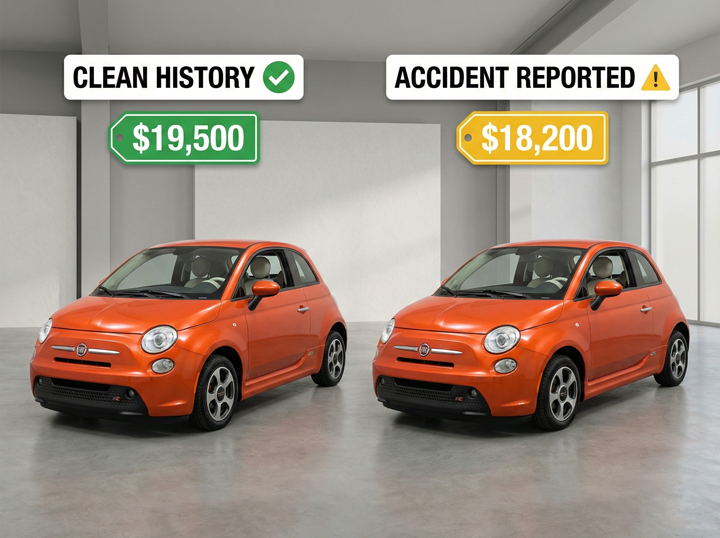
Pricing a used car is not always simple. Two vehicles can look the same on the surface but have very different driving histories and service records. These differences can change the true value of a car by hundreds, sometimes even thousands of dollars. CARFAX created the History Based Value tool to help people understand the real worth of a used vehicle by using more than basic information like years and mileage.
This guide will help you understand what CARFAX History Based Value is, how it works, why it is helpful, and how you can use it to make better decisions when buying or selling a vehicle.
What Is CARFAX History Based Value
CARFAX History Based Value is a tool that gives a price that is specific to a single vehicle. Instead of looking only at the year, make, model, and mileage, CARFAX uses information tied to the Vehicle Identification Number, also known as the VIN. This process helps create a more accurate and fair value because it includes real events from the car’s history and record.
The tool reviews key historical information like accidents, service records, ownership changes, title problems and more. From there, it then combines the data it gathered with market trends to show a trade in value or retail value that reflects what the car is truly worth today.
Why CARFAX History Based Value Matters
Many pricing tools make guesses based on average data and statistics on vehicles. CARFAX takes a different approach by using real data from the actual car instead of using estimates or generalizations. This helps in several ways:
- Better Accuracy: A car with a clean vehicle history is usually worth more than a similar car with accidents or poor maintenance. CARFAX identifies these details and showcases them in the value.
- More Transparency: Both buyers and sellers can clearly see how a vehicle’s past affects its price. This builds trust during a sale or trade in.
- Fair Pricing: Dealers, private sellers, and shoppers can use the value to prevent overpaying or underselling a car.
- Stronger Negotiation Power: When both sides can see all of the information that can affect the price, it makes the conversation easier and more honest.
How CARFAX History Based Value Works
CARFAX collects data from thousands of sources. These include service shops, state departments of motor vehicles, police reports, insurance companies and more. The tool then analyzes the following factors tied directly to the VIN.- Accident and Damage History
Any reported accident can change the value of a car. Even minor damage can reduce worth. CARFAX reviews the severity, the damage type and whether repairs were recorded. A car with major collision damage is usually valued lower than a similar model with no accidents. - Service and Maintenance Records
Regular oil changes, scheduled maintenance, and timely repairs help keep a vehicle in good condition. A car with a strong service history often receives a higher value. The tool also reviews recall work and other key maintenance events. - Ownership History
CARFAX checks how many owners the car has had and how long each one kept it. A vehicle that has had long term owners is often viewed as more reliable. A car with frequent ownership changes may receive a lower value because it can signal possible issues or inconsistent care. - Title History and Title Problems
Title issues can greatly impact value. CARFAX identifies concerns such as flood damage, salvage titles, lemon law buybacks and odometer problems. These issues can significantly lower the value because they often affect a car’s safety or reliability. - Vehicle Use Type
How the vehicle was used also affects its worth. A personal use car usually maintains a higher value compared to a vehicle used for commercial, rental or fleet purposes. High use cases often mean more wear and tear. - Market Factors
CARFAX updates its values every week based on market supply, location and season. For example, trucks may be worth more in some regions and convertibles might rise in value during warm months. This keeps the pricing current and relevant for buyers and sellers. - Trade In and Retail Values
CARFAX provides more than one type of pricing to give users a clear picture of a vehicle’s value. The trade in value represents the amount a dealership might offer when you bring in your car, while the retail value reflects the price a dealer may list the vehicle for on their lot. Since these numbers often differ, reviewing both helps users understand the full range of what a car may be worth in the current market.
How to Use the CARFAX History Based Value Tool
Using CARFAX History Based Value is simple and only requires the VIN or license plate number. Here is how to use it:
Step 2 – Go to the CARFAX History Based Value Page: Enter the VIN or license plate into the tool.
Step 3 – Review the Results: You will see a value that includes all historical factors specific to that car.
The report will also show some of the details used to calculate the price.
Step 4 – Use the Information to Make a Decision: If you are buying, this helps you know if the asking price is
fair. If you are selling or trading in, this helps you understand a realistic value for your car.
| Benefits for Car Buyers | Benefits for Sellers/Dealerships |
|---|---|
| Helps prevent overpaying | Justifies pricing to customers |
| Shows how history affects price | Builds trust during appraisal |
| Builds confidence when choosing a car | Makes trade in conversations easier |
| Helps compare similar vehicles more accurately | Supports transparent and fair sales practices |
How CARFAX History Based Value Compares to Other Pricing Tools
Many tools offer estimates based on average vehicles. CARFAX stands out because it uses actual historical data tied to a specific VIN and not just using generalized data that could or could not apply to the vehicle you are interested in or selling at the time. This makes it more accurate and more personalized for both the seller and the buyer. Other tools are useful but may not show key factors like accidents or maintenance history.
When CARFAX History Based Value Is Most Useful
- Buying a used car from a private seller
- Trading in a car at a dealership
- Selling your car privately
- Comparing vehicles with different histories
- Reviewing a car with potential title or accident concerns
Understanding a car’s true value is one of the most important steps in the buying or selling process. CARFAX History Based Value makes this easier by using real history, real data and current market conditions to help come to the final price. Whether you are a buyer, seller or dealer, using this tool helps you make smarter and more confident decisions during the entire process.
Ready to Get Started?
Get a complete walkthrough of the AutoRevo system or a demonstration of just the products and services you're interested in. Our representatives can show you an easier way to market vehicles online.